Articles Archive

Insights from Indian NISAR S-band Data for Kharif Rice Transplantation – 2026 around Ludhiana, Northern India

Dr. Dipanwita Haldar Dr. Dipanwita Haldar | August 10, 2026 | 33 Views | 0 Comments
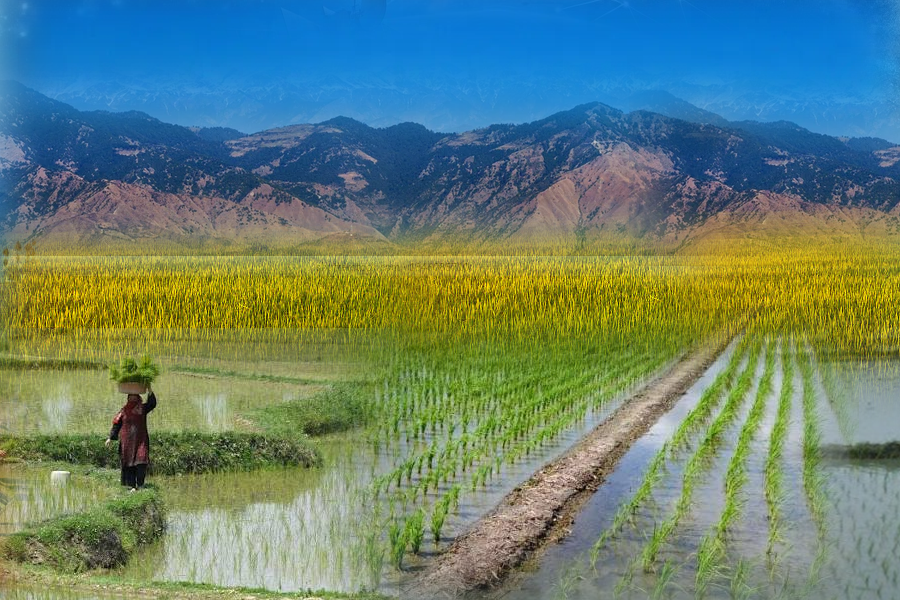
Rice is the staple food for nearly two-thirds of India's population, particularly in eastern, northeastern and southern India, and is also consumed occasionally in the northern and central parts of the country. Indian Council of Agricultural Research (ICAR) is executing a 5-year pilot project on crop diversification (2023–2028) under the National Food Security and Nutrition Mission (NFSNM) in order to Continue Reading »

Seeing Through Forests: How NISAR Reveals What Lies Beneath

Ashish Joshi Ashish Joshi et al. | August 3, 2026 | 209 Views | 0 Comments
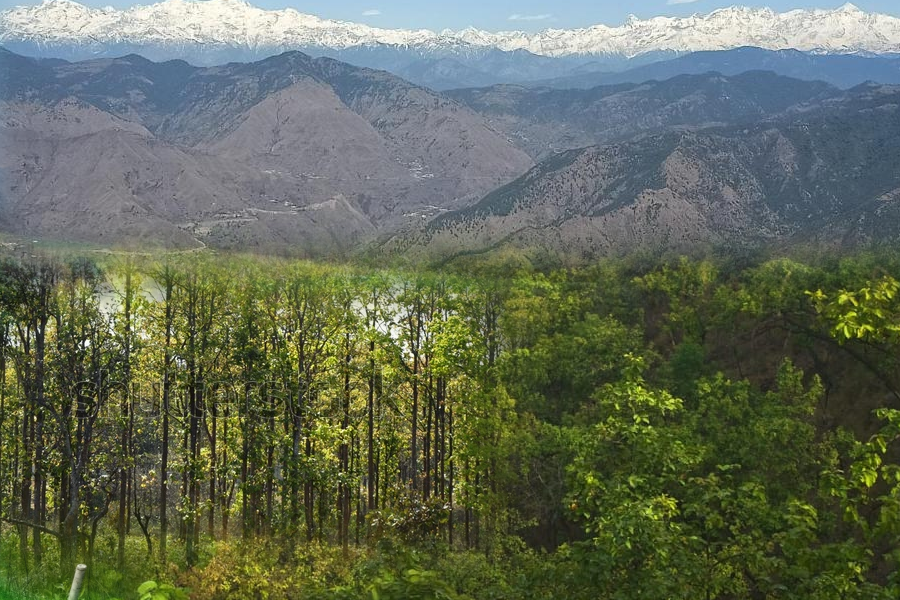
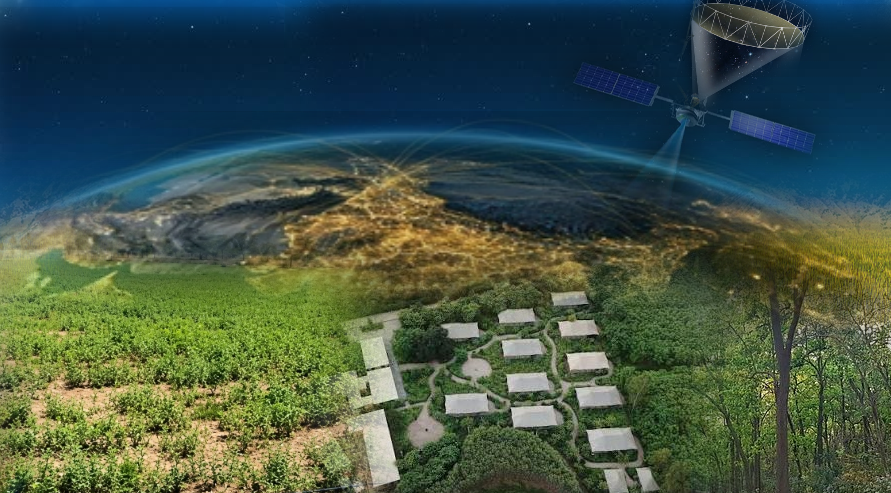
What if a satellite could detect a water-logged surface beneath the dense forests, which is invisible to ordinary optical cameras? A new Radar Imaging Satellite, NASA-ISRO Synthetic Aperture Radar- NISAR, is making this possible, helping scientists and researchers to understand the forests, wetlands, vegetation, and environmental changes in a completely new way. NISAR is an exciting new Earth-observation satellite mission Continue Reading »

Reconstructing High Altitude Hazards in Himalaya Using Tree Rings: Observations from the Bhilangana Valley

Chandra Mohan Bhatt Chandra Mohan Bhatt et al. | July 10, 2026 | 133 Views | 1 Comments
Long-term observational datasets are essential for understanding the magnitude and frequency of past extreme events over extended timescales. In mountain regions where instrumental records are limited, tree rings provide a valuable natural archive of environmental and geomorphic changes. Tree rings are formed by the vascular cambium, a thin layer of dividing cells between the wood (xylem) and bark (phloem). At Continue Reading »

A 30-Year Statistical Analysis of Tropical Cyclone Activity over the North Indian Ocean (1996–2025)

Dr. Sanjeev Kumar Singh Dr. Sanjeev Kumar Singh et al. | July 3, 2026 | 93 Views | 1 Comments
The North Indian Ocean (NIO) is one of the most significant cyclone-producing basins in the world, playing a crucial role in regional climate and weather extremes. It consists of two major cyclone basins: the Bay of Bengal (BoB) located on the eastern side of India and the Arabian Sea located on the western side. Although it contributes only about 6% Continue Reading »

How does natural dust shape our environment, weather and climate?

Dr. Charu Singh Dr. Charu Singh | June 22, 2026 | 100 Views | 1 Comments
Natural dust emission from an arid or semi-arid region occurs when near-surface wind speed exceeds a threshold wind speed which can further be modulated by several factors such as surface roughness, soil texture, soil moisture, vegetation cover etc. Many major dust sources are located in the subtropical dry belt primarily due to the subtropical high pressure system attributed to the Continue Reading »