Most Viewed Articles

Satellite helps to monitor & support ‘Per Drop More Crop’

Abhishek Danodia Abhishek Danodia | May 20, 2024 | 1093 Views | 0 Comments
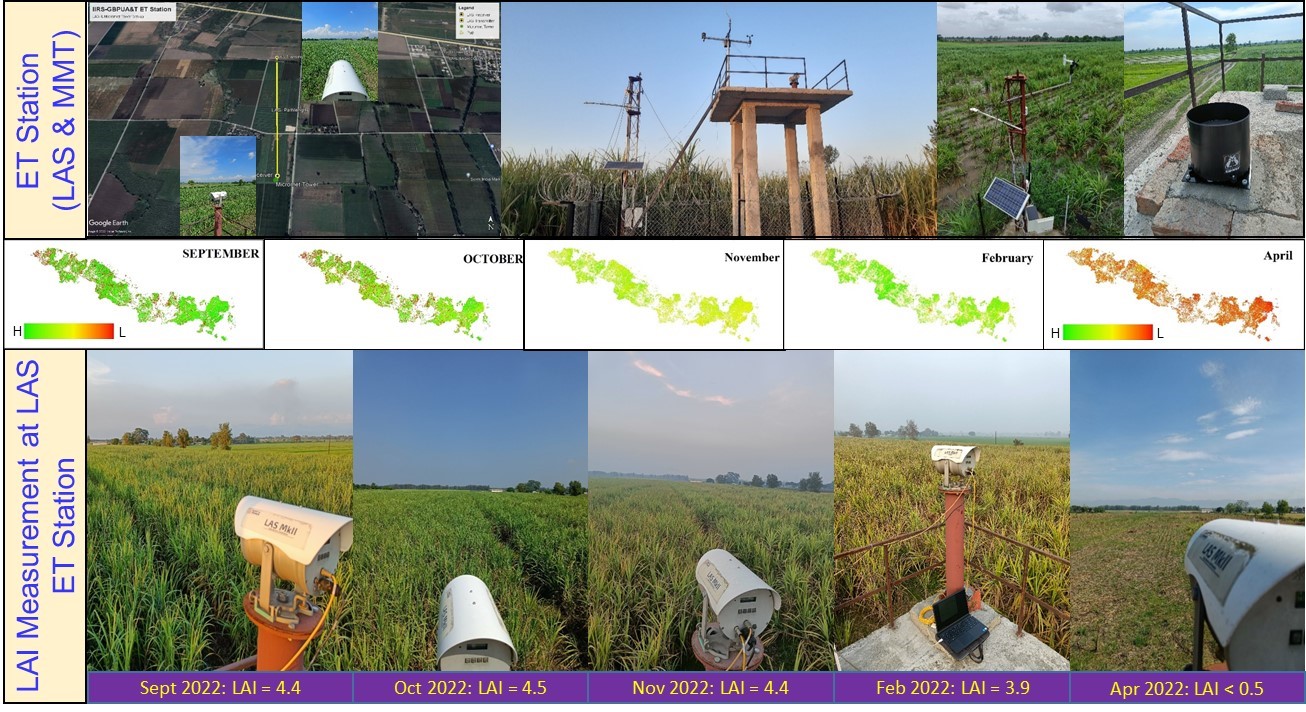
Abhishek Danodia and N.R. Patel Water availability shows the existence of life, so if there is water, there is life. Around 97 percent of the total water available in the oceans while only 3 percent of water is the fresh water, which can be used for drinking, agriculture and industries. In India, about 68 percent of cultivable area comes under Continue Reading »

Indian Institute of Remote Sensing (IIRS)

Dr. Harish Karnatak Dr. Harish Karnatak | January 19, 2024 | 1079 Views | 0 Comments
The Indian Institute of Remote Sensing (IIRS) - is a constituent unit of Indian Space Research Organisation (ISRO), Department of Space, Govt. of India. Since its establishment in 1966, IIRS is a key player for training and capacity building in geospatial technology and its applications through training, education and research in Southeast Asia. The training, education and capacity building programmes Continue Reading »

Satellite Observation for Severe Cyclonic Storm “Dana”

Dr. Sanjeev Kumar Singh Dr. Sanjeev Kumar Singh | October 29, 2024 | 992 Views | 0 Comments
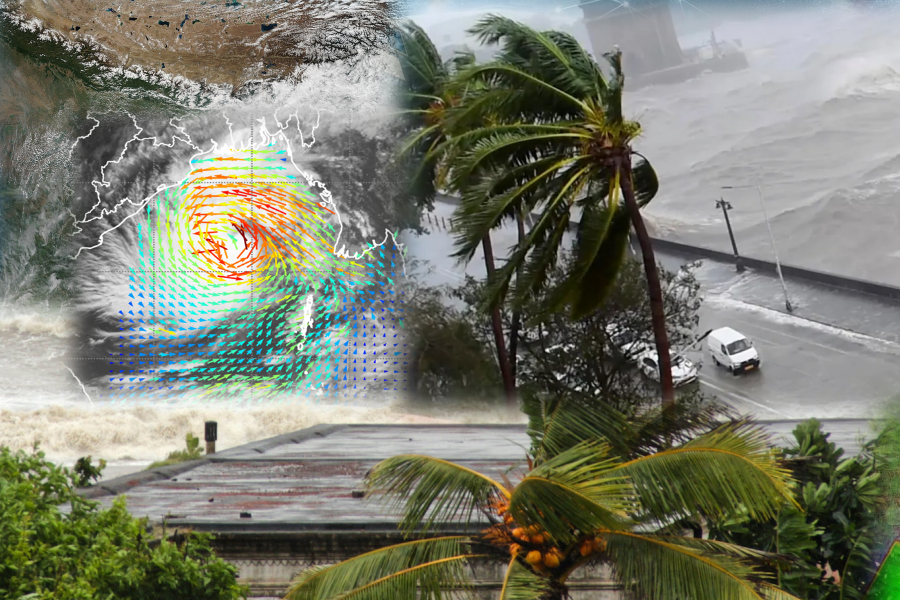
Sanjeev Kumar Singh, Yogesh Kant and D. Mitra Cyclone Dana was a strong tropical cyclone formed over the Bay of Bengal in October 2024. It was the first cyclone in the post-monsoon cyclone season 2024. Cyclone Dana originated as a low-pressure area over the East Central Bay of Bengal and the adjoining North Andaman Sea on October 21, 2024. On Continue Reading »

SWOT mission and 30-years of multi-mission radar altimetry data unveil river dynamics

Pankaj Dhote Pankaj Dhote | May 13, 2024 | 982 Views | 0 Comments
Monitoring inland water is crucial for assessing different aspects of the hydrological cycle, as well as environmental and atmospheric processes within the Earth system. Understanding hydrological processes and managing water resources and ecosystem balance depend greatly on tracking changes in water levels. Traditionally, water levels have been observed using in-situ gauging stations; however, the global network of these stations is Continue Reading »

Imaging spectroscopy of carotenoid content of Himalayan broadleaved and needle-leaved canopies from space

Hitendra Padalia Hitendra Padalia | March 17, 2025 | 949 Views | 0 Comments
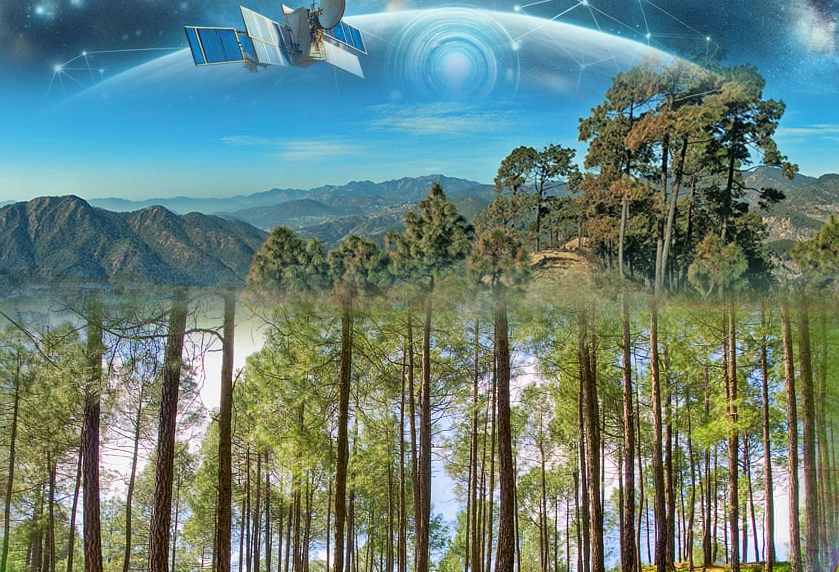
Chlorophyll is the most dominant plant pigment, essential for photosynthesis, and largely determines the spectral reflectance of healthy vegetation. Its higher concentration often overshadows the detection of other pigments like carotenoids. Carotenoids (C40H56O2), being an accessory light absorbing pigment, is the second most abundant plant pigment. They comprise several constituents, including β-carotene, xanthophylls, lutein, violaxanthin, and neoxanthin, which play a Continue Reading »